


Neck and shoulder pain does not look the same for everyone. Some people feel deep stiffness at the base of the neck, others struggle with upper shoulder knots, and many experience both at once due to long hours of sitting or screen use. Because of this variation, choosing the right type of massager matters as much as choosing the right intensity or features.
Two of the most common designs on the market are pillow-style massagers and shawl-style massagers. While both aim to relieve tension, they do so in very different ways Neck and Shoulder Massager. Understanding how each one works helps you match the device to your specific pain points and daily routine.
Understanding the Two Main Designs
Before comparing performance, it helps to understand what each style is designed to do.
Pillow-Style Neck Massagers
Pillow massagers are compact, cushion-like devices that you typically rest against. They are designed to support the neck, head, or upper back while delivering targeted pressure through internal nodes.
They are often used:
- While lying down
- Sitting in a chair or car seat
- During short relaxation sessions
Their structure focuses more on localized pressure than full shoulder coverage.
Shawl-Style Neck Massagers
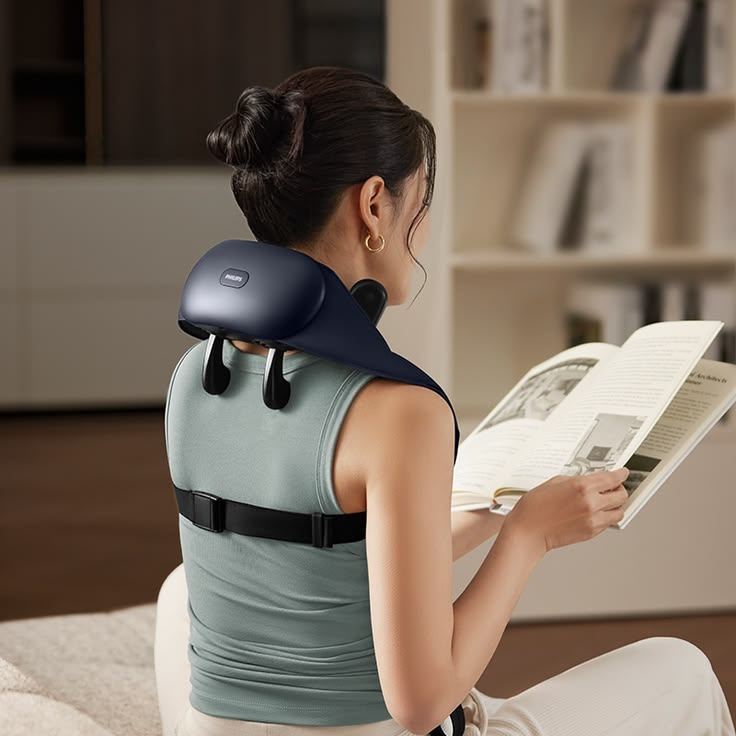
Shawl massagers are wearable devices that drape over the shoulders like a wrap. They usually include kneading nodes positioned along both sides of the neck and upper back.
They are often used:
- Hands-free during daily activities
- At home or in the office
- For longer, more immersive sessions
Their design prioritizes coverage and ergonomic alignment.
How Pillow Massagers Work
Pillow-style devices rely on fixed positioning. The user places the massager behind the neck or back, allowing the nodes to press into tight areas.
Strengths of Pillow Massagers
- Focused pressure on specific points
- Compact and easy to store
- Good for travel or small spaces
- Ideal for lying-down relaxation
Because they concentrate force in a smaller area, they can feel quite intense on targeted knots.
Limitations of Pillow Massagers
- Limited shoulder coverage
- Requires positioning adjustment during use
- Not ideal for multitasking
- Less ergonomic support for full upper-body tension
They work best when the pain is concentrated rather than widespread.
How Shawl Massagers Work
Shawl-style devices are designed to wrap around the shoulders and neck, creating a more complete massage experience.
Strengths of Shawl Massagers
- Full neck and shoulder coverage
- Hands-free operation
- Better ergonomic alignment
- Suitable for longer sessions
- Often includes heat and multiple intensity modes
Because they stay in place, they allow users to relax without adjusting posture constantly.
Limitations of Shawl Massagers
- Bulkier than pillow models
- May feel heavy during long use
- Less portable for travel
- Slightly more expensive on average
They are designed more for comfort sessions than quick fixes.
Pain Point Matching: Which One Works Best?
Choosing between pillow and shawl massagers depends on where your tension is and how you plan to use the device.
1. Neck-Focused Pain
If your main issue is stiffness at the base of the skull or cervical spine:
- Pillow massagers are often more effective
- They deliver concentrated pressure directly to tight spots
- Ideal for trigger point relief
This makes them useful for people with headaches or upper neck tightness.
2. Shoulder and Trapezius Pain
If your pain spreads across the shoulders and upper back:
- Shawl massagers are the better option
- They cover a wider surface area
- They target both sides of the trapezius simultaneously
This is especially useful for desk workers.
3. Occasional Stress Relief
If you only need light, occasional relaxation:
- Pillow massagers offer quick sessions
- Easy to use without setup
- Good for short breaks or evening rest
4. Daily Chronic Tension
If you deal with consistent stiffness:
- Shawl massagers provide more balanced long-term relief
- Better for repeated daily use
- More comfortable for extended sessions
5. Travel and Portability Needs
If you move frequently or need something compact:
- Pillow massagers are easier to carry
- Less bulk in luggage
- More versatile for different seating positions
Comfort and Ergonomics Differences
Comfort is a key factor that often decides user satisfaction.
Pillow Comfort Profile
- Firm and focused
- Best for stationary relaxation
- Can feel intense in one area
Shawl Comfort Profile
- Balanced and distributed pressure
- Designed for longer wear
- Feels more like a supportive wrap
Heat and Additional Features
Both styles often include heat and kneading, but their effectiveness differs slightly.
In Pillow Massagers
Heat is concentrated in a small area, which can intensify relaxation but may feel too focused for some users.
In Shawl Massagers
Heat is spread across a larger surface, offering a more even and soothing experience.
Ease of Use Comparison
Pillow Massagers
- Simple setup
- Requires positioning
- Best used while resting
Shawl Massagers
- Wear-and-go design
- Hands-free operation
- Suitable for multitasking
Which One Feels More Natural?
If your goal is to replicate a full massage experience:
- Shawl massagers feel more “human-like” due to coverage and movement across muscles
If your goal is precision targeting:
- Pillow massagers feel more direct and localized
Common Mistakes When Choosing
Many users choose based on appearance rather than function.
Choosing Based Only on Size
Smaller does not always mean more convenient, and larger does not always mean better relief.
Ignoring Pain Location
A mismatch between design and pain area often leads to disappointment.
Overlooking Usage Habits
If you plan to multitask, a pillow massager may feel limiting. If you want quick relief, a shawl may feel unnecessary.
When You Might Need Both
In some cases, having both types can be beneficial:
- Pillow for quick, targeted relief
- Shawl for longer relaxation sessions
This combination allows flexibility depending on daily needs.
Final Thoughts
Pillow and shawl neck massagers are not competing products—they are designed for different types of pain and lifestyles. The pillow style excels in precision and portability, while the shawl style offers full coverage and hands-free comfort.
The right choice depends on where your tension is, how often you use the device, and whether you prefer focused pressure or full-shoulder relaxation.
When matched correctly to your needs, either style can significantly improve comfort, reduce stiffness, and support better daily recovery from neck and shoulder strain.