


How Orthopedic Pain Specialists Can Help You Regain Mobility and Reduce Pain
Living with chronic pain or limited mobility can make daily activities challenging and reduce your quality of life. Many people struggle with joint pain, muscle discomfort, or injuries that prevent them from moving freely. An orthopedic pain specialist can play a vital role in helping you manage these issues and regain your independence. By offering personalized treatments and a comprehensive approach, these specialists focus on both relieving pain and improving mobility.
Understanding the Role of an Orthopedic Pain Specialist
An orthopedic pain specialist is a medical professional trained to diagnose, treat, and manage musculoskeletal pain. This includes pain in the bones, joints, muscles, ligaments, and tendons. They have specialized knowledge in the causes of pain and the latest treatments available, ranging from medications to advanced procedures. Their goal is not only to reduce pain but also to restore function, allowing patients to perform daily tasks comfortably.
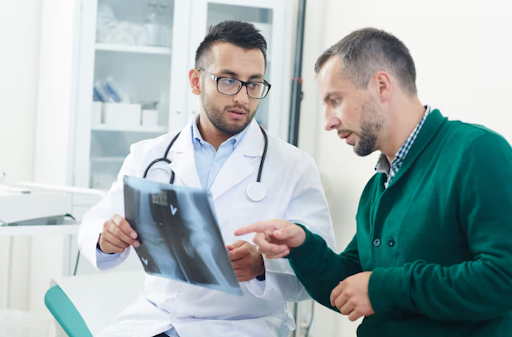
Unlike general practitioners, orthopedic pain specialists can provide targeted treatments based on your specific condition. They evaluate your medical history, perform physical examinations, and use imaging tests like X-rays or MRIs to identify the source of your pain. This thorough assessment helps in creating a personalized treatment plan designed to meet your needs.
Non-Surgical Pain Management Options
One of the main ways orthopedic pain specialists help patients is through non-surgical pain management. These options are often effective for conditions like arthritis, tendonitis, back pain, or sports injuries. Treatments may include medications, physical therapy, and lifestyle modifications.
Physical therapy is a key part of non-surgical management. It focuses on strengthening muscles, improving joint function, and increasing flexibility. By learning proper exercises and techniques, patients can reduce pain and prevent further injury. In addition, orthopedic pain specialists may recommend techniques such as guided injections or nerve blocks to manage pain in targeted areas. These methods can provide relief without the need for surgery and allow patients to continue with their daily routines.
Surgical and Minimally Invasive Interventions
For more severe conditions, an orthopedic pain specialist may suggest surgical or minimally invasive procedures. Advances in medical technology have made many surgeries less invasive, reducing recovery time and complications. Common procedures include joint replacements, arthroscopic surgery, or spinal interventions.
The decision to pursue surgery is carefully considered and tailored to each patient. Orthopedic pain specialists assess the severity of the condition, your overall health, and the expected outcome of the procedure. Their goal is to improve your mobility and relieve pain while ensuring the safest and most effective approach. Even when surgery is necessary, these specialists work closely with rehabilitation teams to support your recovery and maximize results.
Personalized Rehabilitation Programs
Recovery does not end with treatment; rehabilitation is an essential part of regaining full mobility. Orthopedic pain specialists often develop personalized rehabilitation programs that include exercises, stretching routines, and activity modifications. These programs are designed to rebuild strength, improve balance, and restore normal movement.
Regular follow-ups with your specialist allow adjustments to your rehabilitation plan as you progress. This ensures that your recovery is safe, efficient, and aligned with your goals. Patients often find that consistent rehabilitation, guided by an expert, leads to long-term improvements and reduced chances of recurring pain.
Lifestyle Advice and Preventive Care
In addition to treatments, orthopedic pain specialists provide guidance on lifestyle changes that can prevent further pain. Maintaining a healthy weight, staying active, and using proper techniques during physical activities are all important aspects of long-term joint and muscle health. By addressing both the symptoms and the root causes of pain, these specialists help patients build habits that support mobility and overall well-being.
Conclusion
Chronic pain and limited mobility can be frustrating and affect your daily life, but an orthopedic pain specialist can help you regain control. Through a combination of personalized assessments, non-surgical treatments, surgical options when necessary, and comprehensive rehabilitation, these specialists focus on both pain relief and improving function. By working closely with an orthopedic pain specialist, you can take steps toward reducing discomfort, enhancing mobility, and enjoying a more active, fulfilling life.