


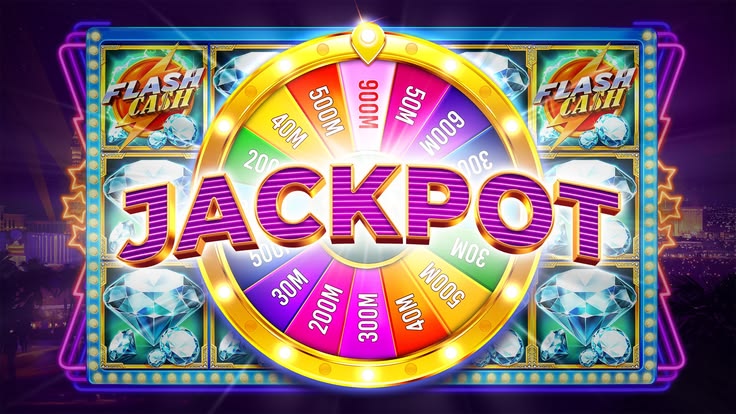
Cinematic Slots: How 3D Engines Are Reshaping Casino Graphics
The modern slot zeus machine looks very different from the mechanical games that once dominated casino floors. Today’s digital slots can feature animated characters, elaborate environments, dramatic camera movements, cinematic sequences, and interactive bonus rounds that resemble scenes from video games.
At the center of this transformation is the increasing use of 3D engines and advanced graphics technology.
Cinematic slots are designed to create an immersive visual experience rather than simply displaying spinning symbols. Developers can now build detailed virtual environments and use sophisticated animation techniques to turn a conventional slot game into something closer to an interactive digital production.
What Are Cinematic Slots?
Cinematic slots are games that place a strong emphasis on storytelling, animation, and high-quality visual presentation.
Instead of relying solely on static symbols, these games may incorporate:
- 3D characters
- Animated environments
- Cinematic transitions
- Camera movements
- Voice elements
- Detailed visual effects
- Interactive bonus scenes
- Story-driven sequences
The reels remain an important part of the game, but they become one component within a much larger visual experience.
From 2D Symbols to 3D Worlds
Early digital slots generally used simple two-dimensional graphics.
Symbols were displayed on reels, and basic animations communicated wins and bonus events.
Modern technology has dramatically expanded what developers can create.
Three-dimensional models can include depth, lighting, textures, shadows, and complex animations.
A slot can therefore feature a virtual environment that feels more like a digital world than a traditional casino machine.
What Is a 3D Engine?
A 3D engine is software technology used to create and render three-dimensional digital environments.
Game developers can use engines to manage:
- 3D models
- Lighting
- Camera positioning
- Animation
- Physics effects
- Visual effects
- Audio
- Scene management
For slot developers, these capabilities provide tools for creating richer presentations and more interactive bonus experiences.
Why 3D Graphics Matter
The main advantage of 3D graphics is immersion.
A character can move through an environment instead of simply appearing as a static symbol.
A camera can zoom toward a bonus event.
A virtual object can rotate or transform.
Lighting can change depending on what is happening on screen.
These details can make the slot feel more dynamic and visually engaging.
Cinematic Storytelling
One of the most important developments is the integration of storytelling.
A cinematic slot might introduce a short narrative before the game begins.
Characters can appear throughout the gameplay.
Bonus rounds can represent different chapters of a story.
A final feature might provide a dramatic conclusion.
This approach gives players a reason to follow the game’s visual narrative rather than simply watching symbols spin.
The Influence of Video Games
Modern slot developers have borrowed many visual ideas from video games.
Video games have spent decades improving:
- Character animation
- Environmental design
- Camera effects
- Lighting
- Particle systems
- User interfaces
Slot developers can adapt these techniques to casino entertainment.
The result is a growing overlap between the visual language of video games and digital slot machines.
Animated Characters
Characters are especially valuable in cinematic slots.
A hero can become a central figure throughout the game.
A villain can appear during a bonus round.
Characters can react when special symbols appear.
They may also guide players through different stages of the game.
This creates a stronger connection between the theme and the mechanics.
Dynamic Environments
3D engines also allow developers to create environments that change during gameplay.
A scene might transition from a forest to a castle.
A city could transform during a bonus.
A spaceship might travel between locations.
These environments provide visual context for different game features.
Instead of simply changing the reel symbols, the entire world surrounding the game can change.
Lighting and Atmosphere
Lighting is another powerful tool.
Developers can use different lighting conditions to establish mood.
A dark environment can create suspense.
Bright lighting can emphasize a major win.
Flashing effects can highlight a bonus trigger.
Dynamic lighting can make virtual objects appear more realistic and visually sophisticated.
Particle Effects
Particle effects can add energy to winning events.
Examples include:
- Sparks
- Smoke
- Fire
- Glowing particles
- Confetti
- Magical effects
- Explosions
These effects can make a win feel more dramatic.
They are primarily presentation features, however, and do not change the mathematical value of the result.
Camera Movement
Traditional slots generally keep the reels in a fixed position.
Cinematic games can use camera movement to emphasize important events.
A camera might:
- Zoom toward a character
- Rotate around an object
- Move into a bonus scene
- Pull back to reveal a larger environment
- Focus on a special symbol
These techniques make the game feel more like a produced entertainment experience.
Bonus Rounds Become Mini-Adventures
One of the most interesting applications of 3D technology is the bonus round.
Instead of simply awarding several free spins, a game might take the player into a separate virtual environment.
The bonus could involve:
- Character battles
- Treasure hunts
- Object collection
- Interactive selections
- Animated journeys
- Multi-stage challenges
The player still participates in a slot game, but the presentation can resemble a mini-adventure.
Does More Interaction Mean More Skill?
Not necessarily.
A cinematic bonus may allow players to choose objects or interact with characters.
However, the presence of an interactive interface does not automatically mean that the player can influence the underlying probability of winning.
The outcome may still be determined by the game’s mathematical model and randomization system.
Players should therefore distinguish between interactive presentation and genuine skill-based gameplay.
3D Graphics and Branded Slots
Cinematic technology is particularly useful for branded slots.
Movies, television franchises, comic books, and video games already contain detailed visual worlds.
A 3D engine can help recreate those environments within a casino game.
Characters can move through recognizable settings, while bonus rounds can incorporate story elements inspired by the original property.
This creates a stronger connection between the slot and its licensed brand.
Mobile Challenges
Creating cinematic slots for smartphones presents technical challenges.
Mobile devices have smaller screens and different hardware capabilities.
Developers must balance visual quality with performance.
A game with extremely detailed graphics may consume more processing power and battery resources.
Therefore, mobile slot development often requires careful optimization.
Performance Optimization
Developers can use various techniques to improve performance.
These may include:
- Compressing graphical assets
- Reducing unnecessary visual complexity
- Optimizing 3D models
- Managing memory usage
- Adjusting visual quality for different devices
- Loading assets efficiently
The goal is to maintain attractive graphics without causing excessive delays or crashes.
Graphics Quality vs. Gameplay
Beautiful graphics can make a slot visually impressive, but they do not automatically make it a better game.
Players should still consider the actual mechanics.
Important factors include:
- RTP
- Volatility
- Paytable
- Betting range
- Bonus structure
- Maximum win
- Symbol behavior
A visually spectacular slot can still have a mathematical profile that differs significantly from another game.
The Psychology of Cinematic Presentation
Visual effects can influence how players perceive the gaming experience.
A dramatic soundtrack, animated character, or explosive celebration can make a win feel more significant.
This is an important distinction.
The emotional impact of an event can be much greater than its financial value.
For example, a small payout might receive an elaborate animation because the game wants to celebrate the winning combination.
Players should focus on their actual balance rather than the intensity of the visual celebration.
Near Misses and Dramatic Animation
Cinematic presentation can also make near misses feel particularly dramatic.
A game might slow down an animation or highlight two matching symbols before revealing a non-winning third symbol.
This can create a strong emotional response.
However, the presentation should not be confused with evidence that a future win is more likely.
A near miss does not mean the next spin is “due.”
Sound and Visual Synchronization
Modern cinematic slots often synchronize sound with animation.
A character may speak when a bonus activates.
Music may change when a multiplier appears.
A special sound may accompany a large win.
This synchronization creates a cohesive audiovisual experience.
The combination can make a digital slot feel closer to a short interactive film.
The Growing Role of Web Technologies
Modern browser technologies have made sophisticated graphics more accessible across devices.
Technologies associated with HTML5, JavaScript, WebGL, and related frameworks can help developers deliver interactive graphics through modern browsers.
This has reduced the dependence on older plugin-based systems.
Players can therefore experience increasingly advanced slot graphics without necessarily requiring specialized desktop software.
3D Engines and Development Efficiency
Using established 3D technology can also improve development workflows.
Instead of building every visual system from scratch, developers can use established tools for animation, lighting, rendering, and asset management.
This can help teams create complex experiences more efficiently.
However, casino software still requires specialized development because the visual layer must operate alongside regulated gambling mechanics and platform requirements.
The Future of Cinematic Slots
The technology behind cinematic slots continues to evolve.
Future games may incorporate:
- More detailed environments
- Real-time lighting
- Advanced character animation
- Immersive sound
- Virtual reality
- Augmented reality
- Interactive storytelling
- More sophisticated bonus sequences
The distinction between casino games and other digital entertainment could become increasingly blurred.
Virtual Reality Possibilities
Virtual reality could eventually allow players to experience casino games within fully immersive environments.
Instead of viewing a slot on a flat screen, users could potentially interact with a virtual machine or game world.
Whether this becomes mainstream will depend on hardware adoption, regulation, accessibility, and player demand.
Responsible Gambling in an Immersive Environment
Greater immersion also creates a need for greater awareness.
Cinematic graphics can make a game more entertaining, but they can also make players more emotionally engaged.
When using highly immersive games, players should remain aware of:
- How long they have been playing
- How much they have wagered
- Whether they are exceeding their budget
- Whether they are chasing losses
Setting limits before starting can help keep entertainment within manageable boundaries.
Graphics Do Not Determine Fairness
A sophisticated 3D environment does not automatically mean that a game is fair or unfair.
Fairness depends on factors such as the game’s randomization system, software integrity, testing, regulatory oversight, and operator practices.
Graphics are primarily part of the presentation layer.
Players should therefore evaluate the platform and game on more than visual quality.
Conclusion
Cinematic slots represent a major evolution in casino graphics.
The use of 3D engines, advanced animation, dynamic lighting, particle effects, moving cameras, and interactive environments allows developers to create games that look increasingly similar to modern digital entertainment.
These technologies provide enormous creative possibilities. A slot can now contain characters, stories, virtual environments, and elaborate bonus sequences that would have been impossible on traditional mechanical machines.
However, visual sophistication does not change the fundamental mathematics of gambling. RTP, volatility, paytables, random outcomes, and betting limits remain just as important as they were in simpler games.
As 3D technology continues to improve, slot developers will likely push cinematic presentation even further. The future of casino graphics may be less about simply watching reels spin and more about entering fully developed digital worlds—while remembering that beneath the impressive visuals, the fundamental game of chance remains.